- Official Name: Douro Valley (Vale do Douro)
- Location: Northern Portugal, along the Douro River, spanning the Porto district to the Spanish border
- Size: Approx. 250,000 hectares of vineyards, hills, and river valleys
- Altitude: Hills and river terraces; Mediterranean climate with hot summers and mild winters
- Major areas: Peso da Régua, Pinhão, Lamego, and the Cima Corgo and Baixo Corgo subregions
- Heritage: Vineyards dating back to the 18th century; continuous production for centuries
- Visitors per year: Around 2 million tourists annually
- UNESCO World Heritage Site: Declared in 2001 for its cultural landscape and viticulture
What is Douro Valley?
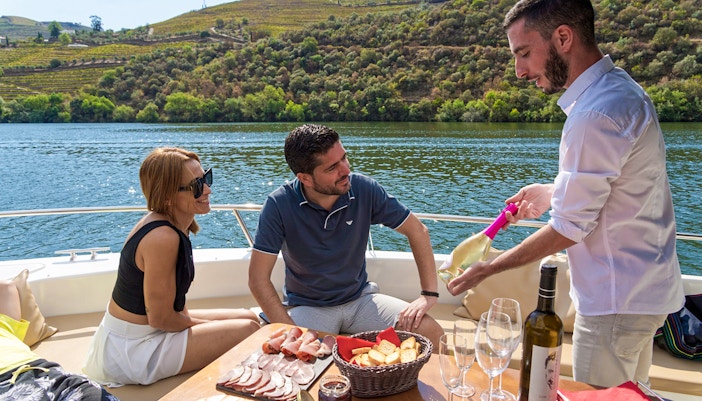
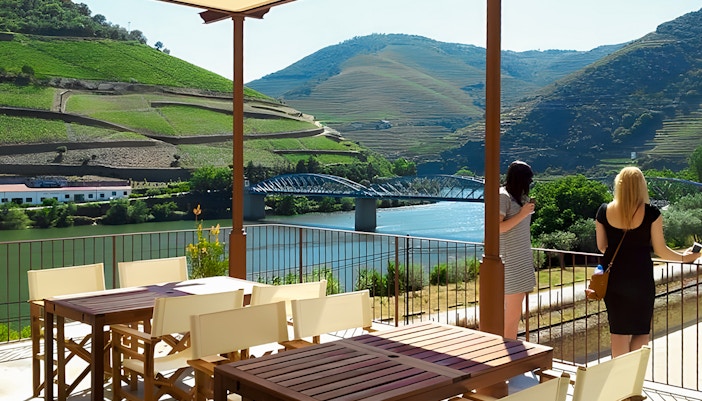
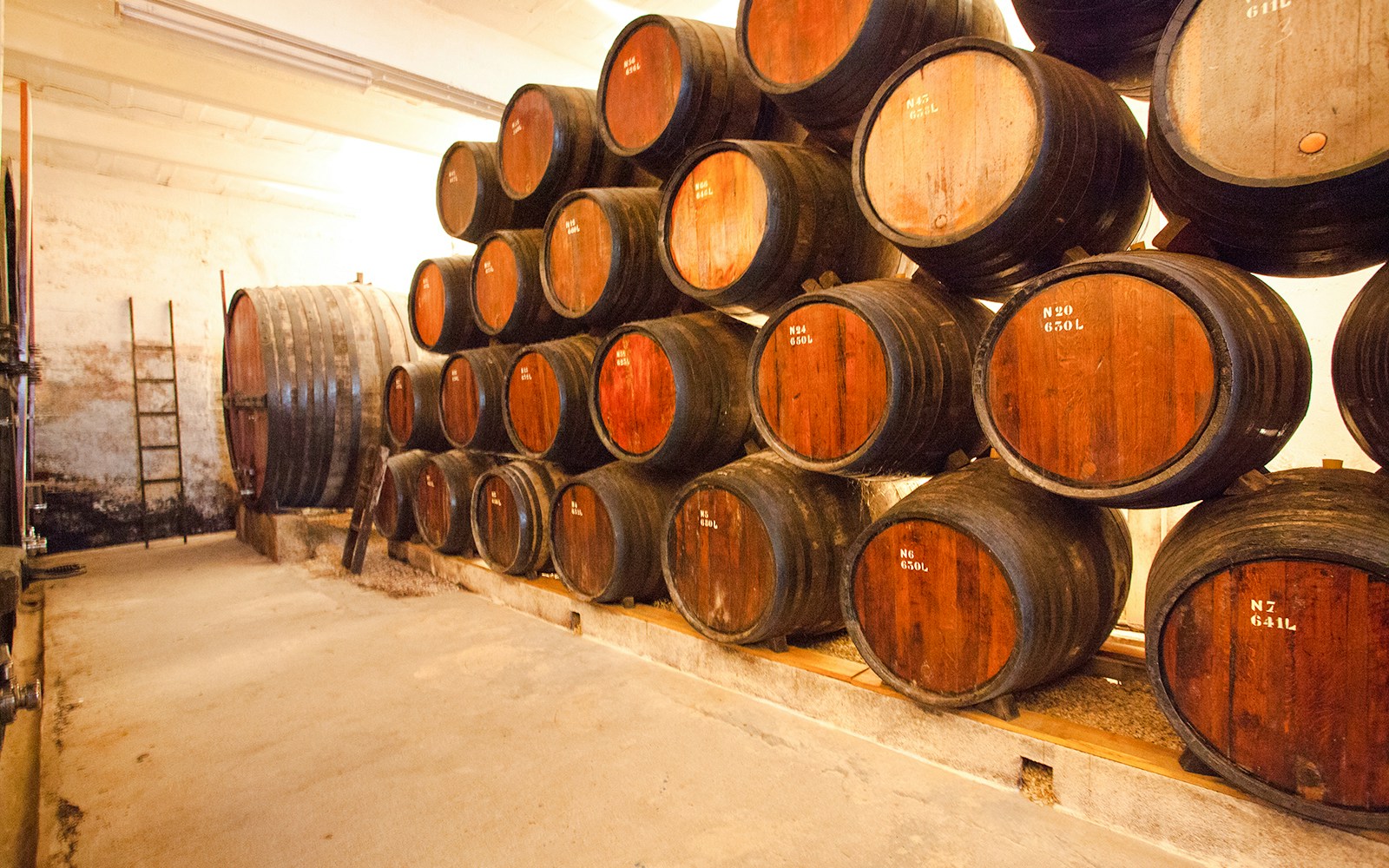
The Douro doesn't meander through northern Portugal—it commands it. Terraces cling to hillsides so steep they defy gravity, dotted with centuries-old quintas where Porto blends age like liquid history. Mist drifts over the river in the morning, boats glide silently under iron bridges by noon, and by sunset, vineyards glow gold as if the hills themselves are lit from within. Hike, cruise, or sip slowly at a riverside tavern; however you explore, the valley insists on leaving its mark.
Quick information
Why is the Douro Valley a must-visit?
1/5
The river that shapes everything
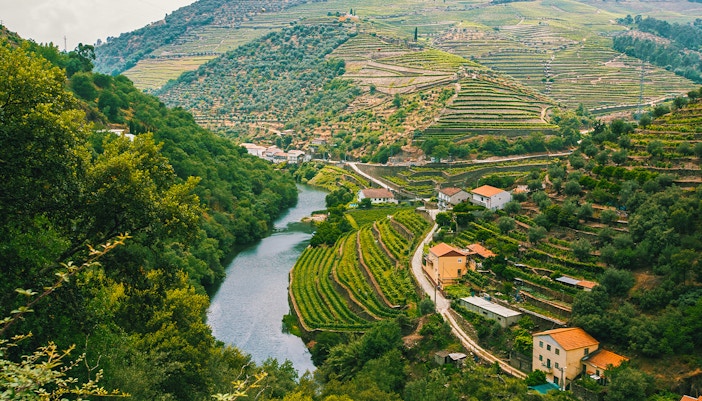
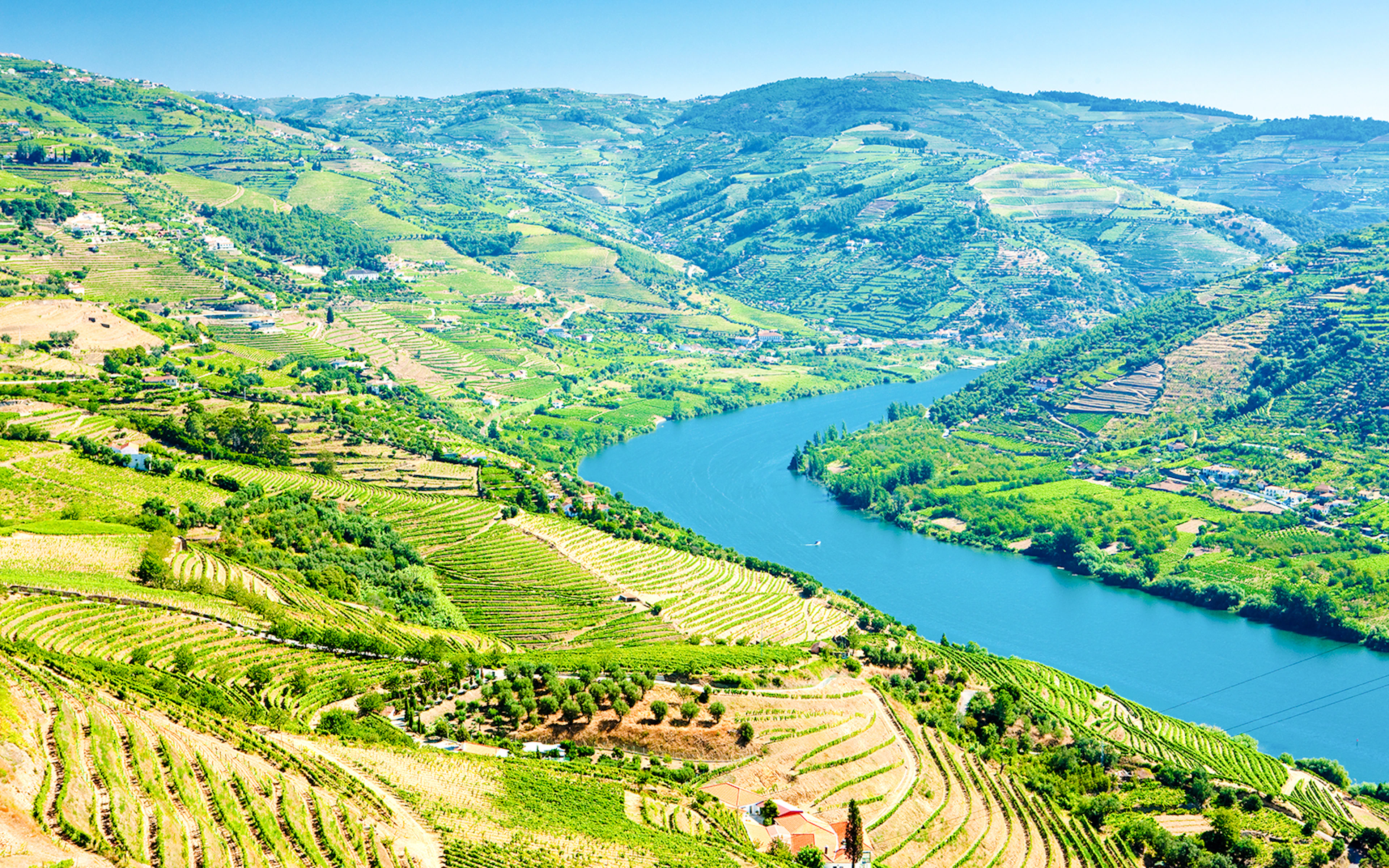
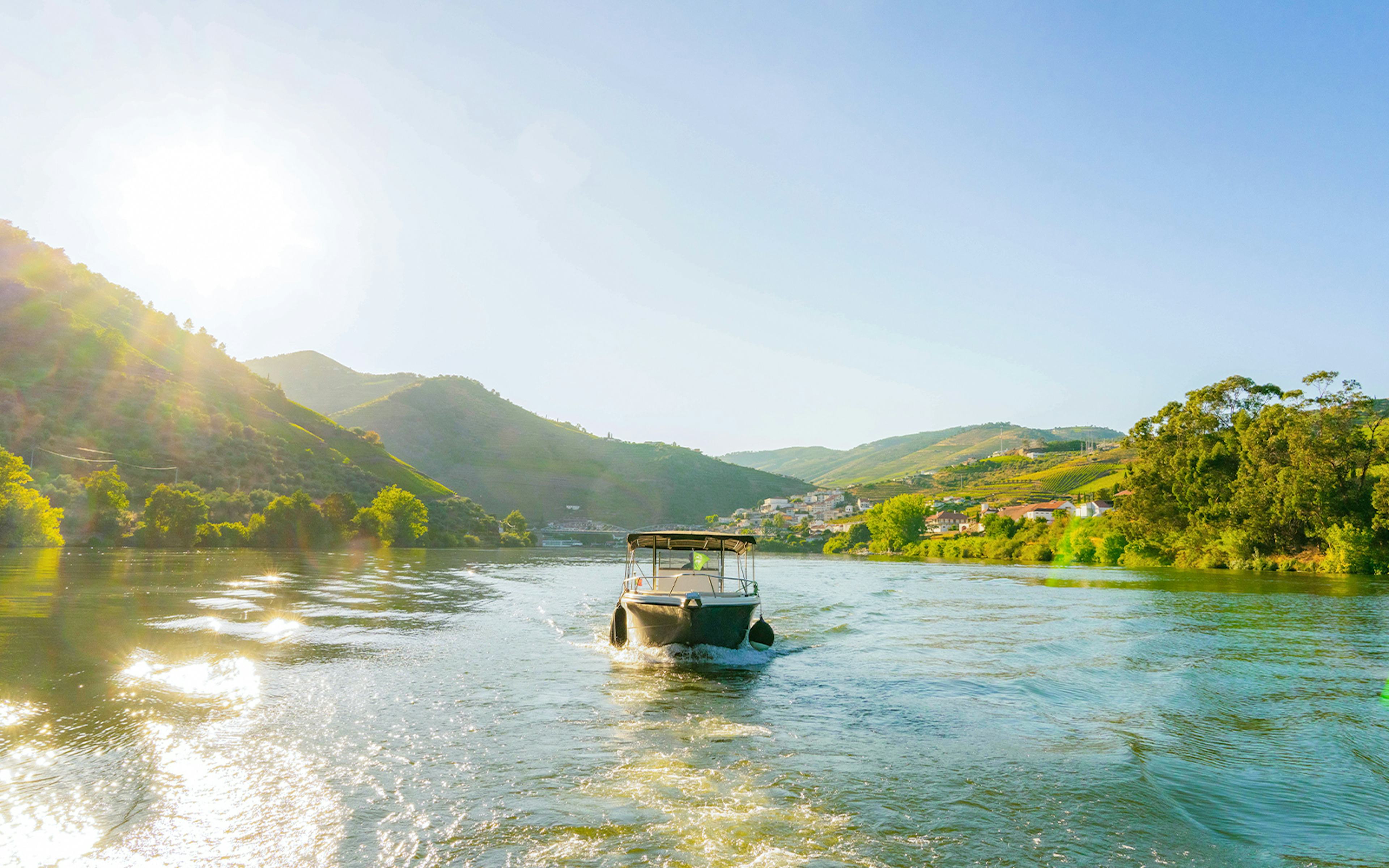
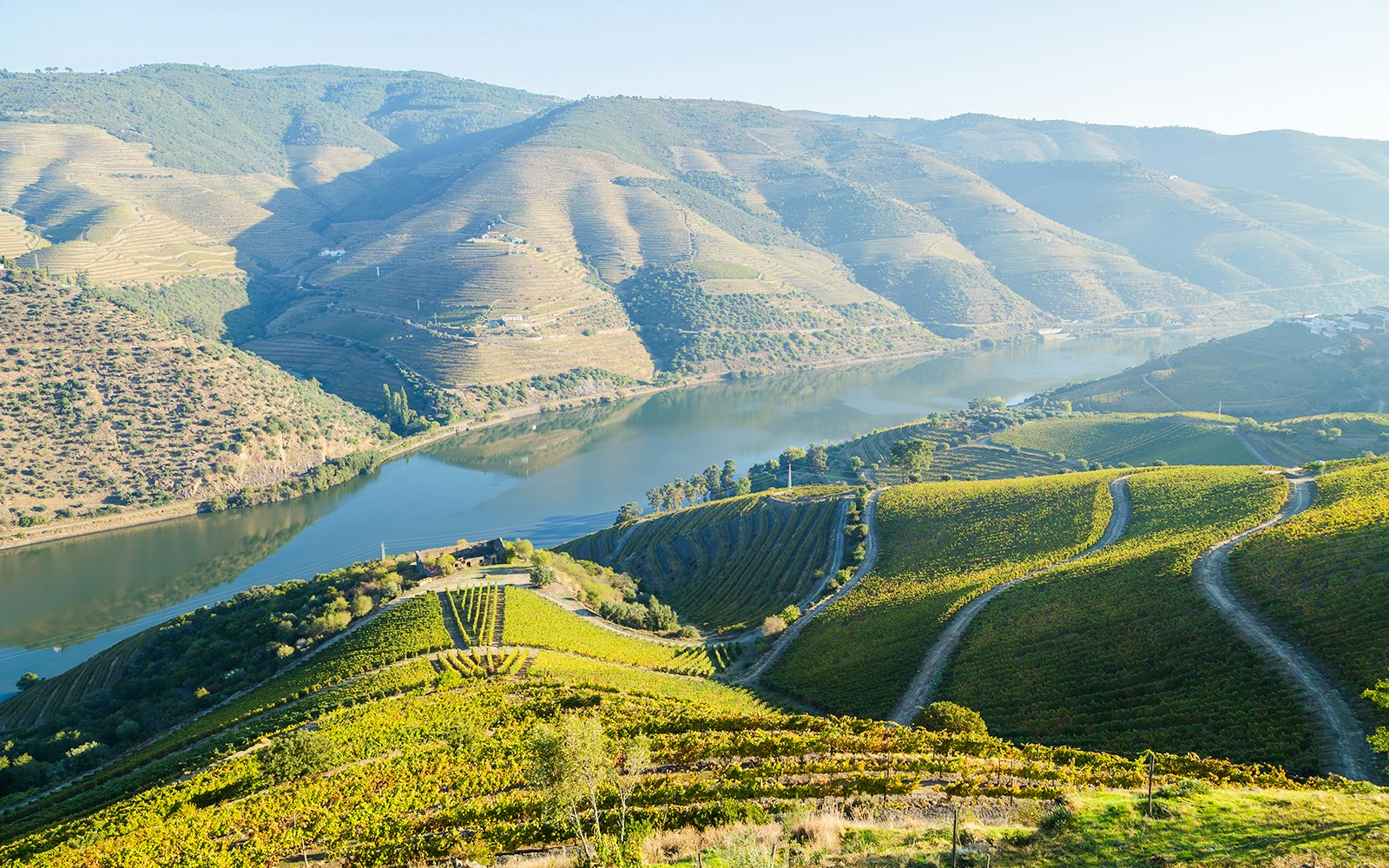
The Douro River twists and turns through the valley, reflecting golden sunlight off its waters and guiding you past cliffs, villages, and expansive landscapes. Whether you glide along in a boat or explore from a hilltop, the river sets the pace for adventure.
Vineyards that cling to the hills
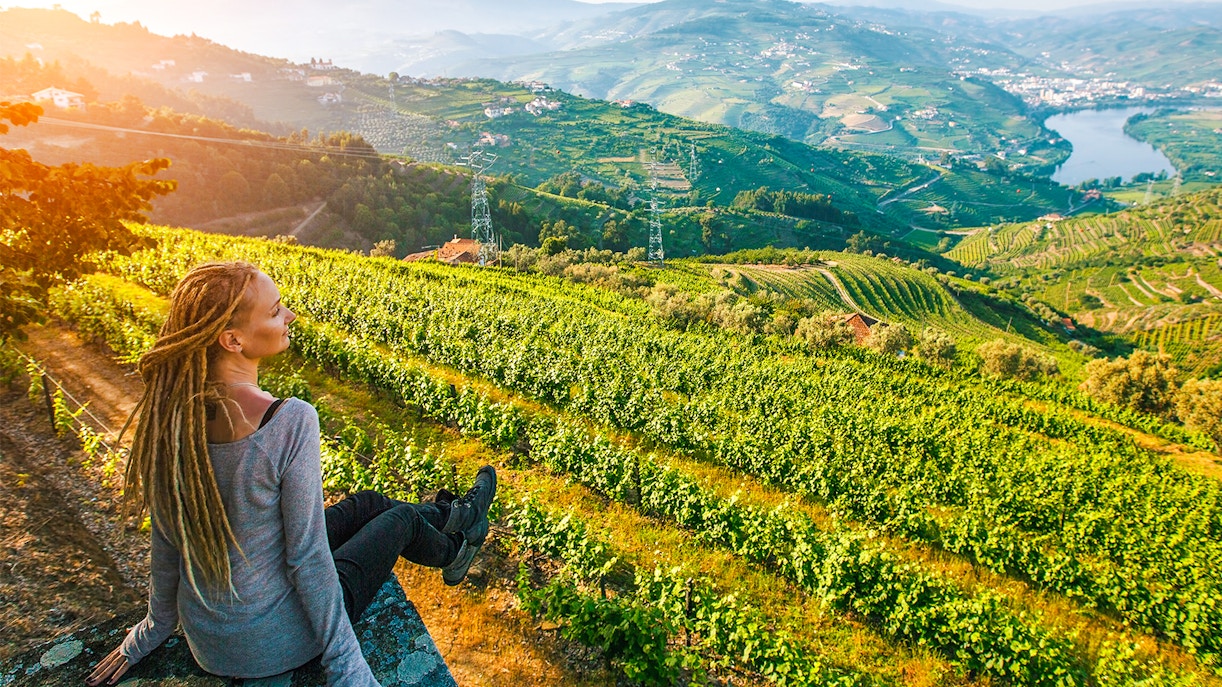
The Douro River Valley’s iconic vineyards rise in meticulously carved terraces, a patchwork of green that stretches as far as the eye can see. These living landscapes are a testament to centuries of care and tradition, offering unforgettable views and a sense of scale that will make you pause at every turn.
Villages frozen in time
Charming riverside towns like Pinhão and Lamego feature cobbled streets, pastel-colored homes, and centuries-old bridges. Stroll through sunlit squares, discover hidden alleys, and feel the human stories etched into the valley’s history.
Lookouts that stop your breath
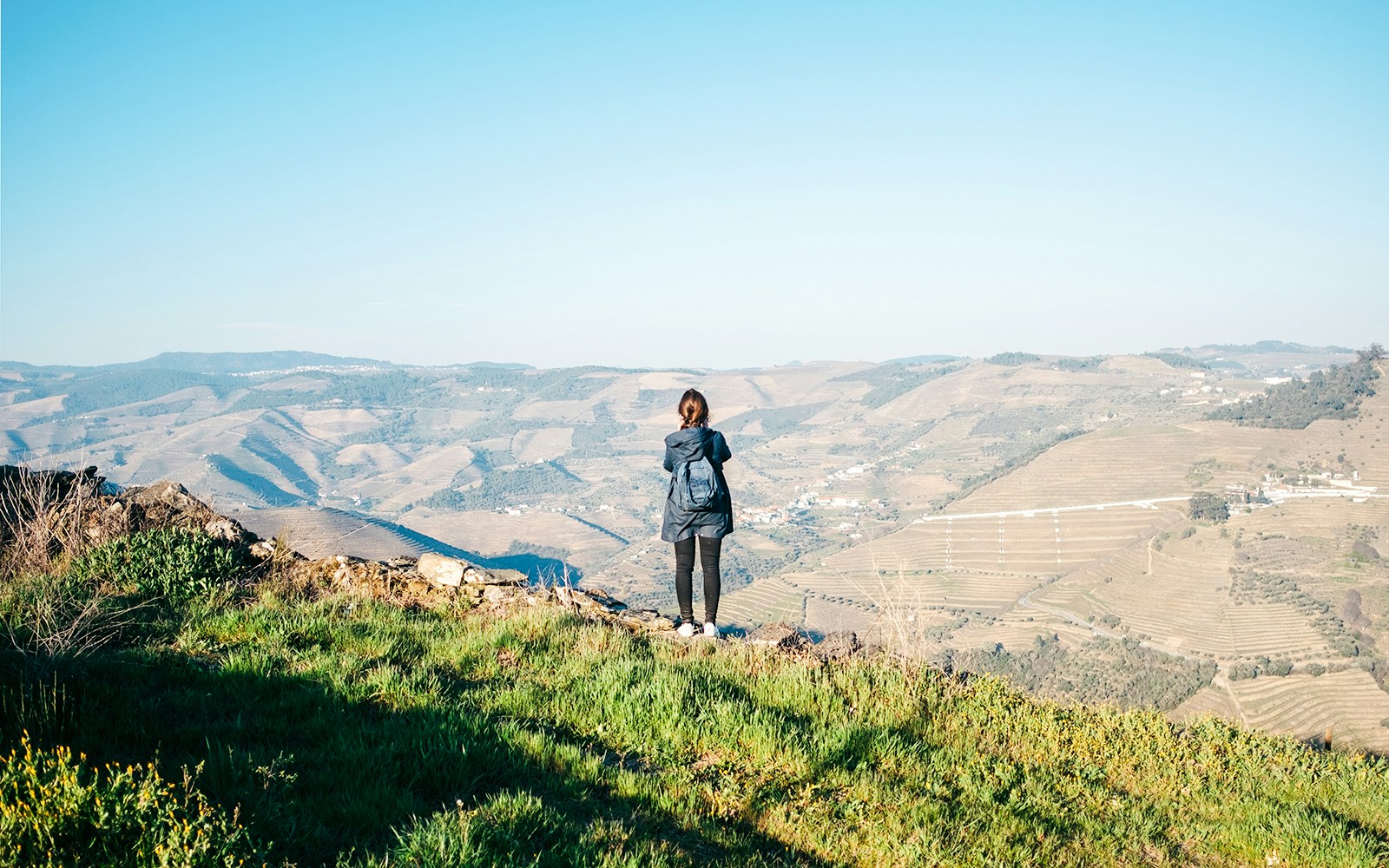
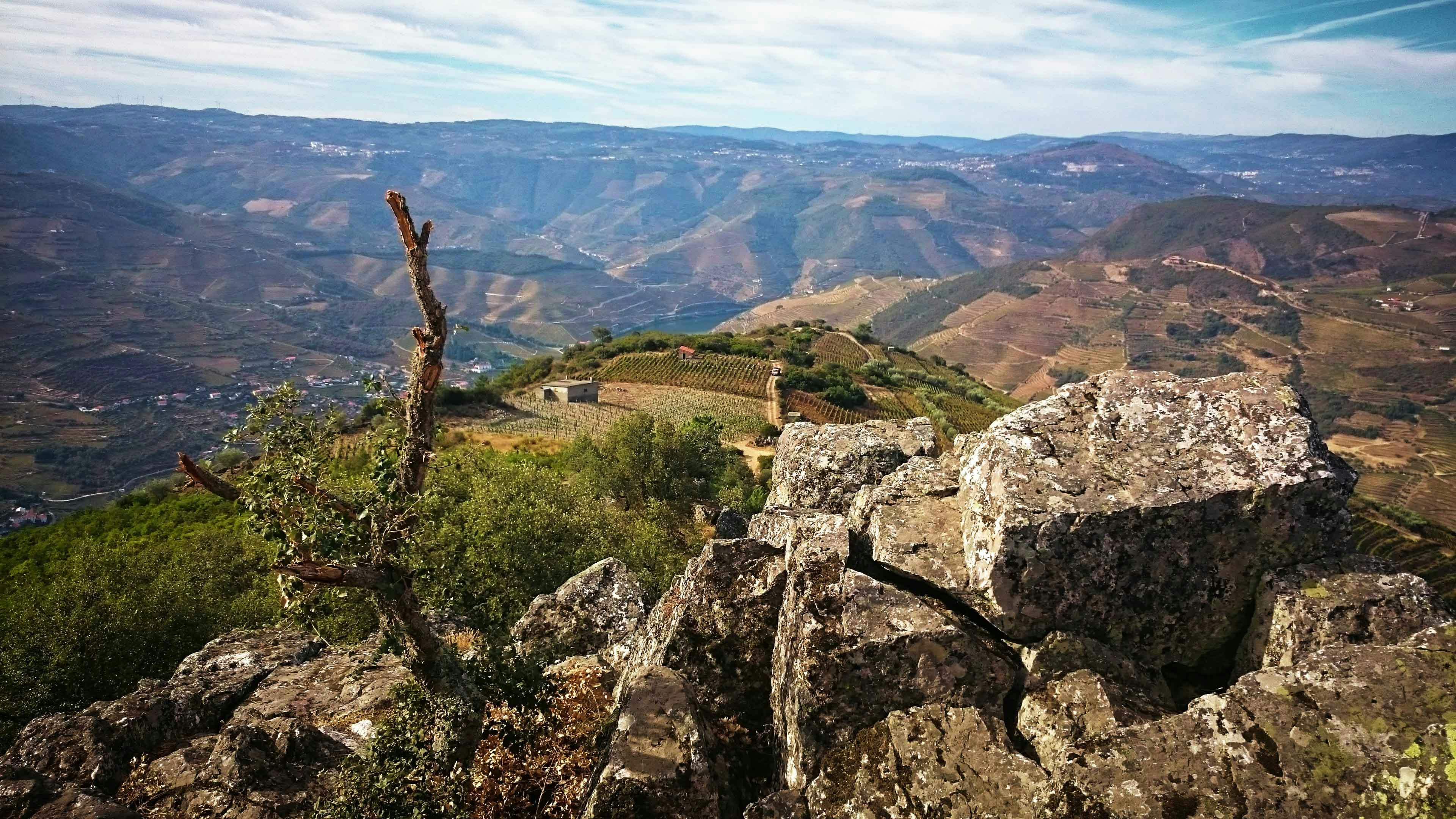
From cliffside viewpoints to hiking trails, every angle frames the river, hills, and vineyards in cinematic splendor. Sunrise mist and sunset gold transform the Douro River Valley into a living painting you’ll want to step inside.
Endless ways to explore
Hiking, cycling, boat trips, or wandering off the beaten path, every corner of the Douro offers a fresh perspective. Vineyards, terraces, and hidden paths invite curiosity, making each adventure feel both playful and unforgettable.
Key regions of the Douro Valley
Peso da Régua
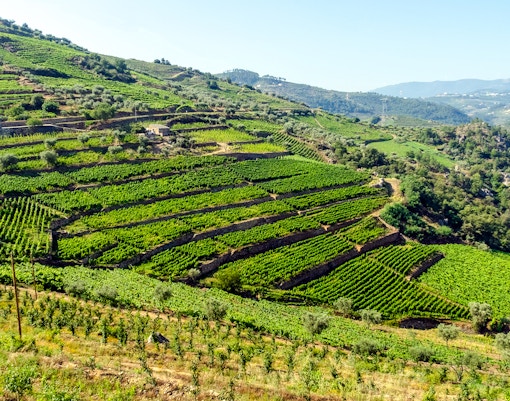
This bustling riverside town stretches its arms wide and says, "Look what I've been up to for centuries." Those terraces are dramatically stacked, like nature's been practicing architecture with a flair for the theatrical. Get gloriously lost in the side streets, scramble up to that random viewpoint nobody mentions, and let the Douro Valley Portugal whisper its secrets before the tour buses roll in.
Pinhão
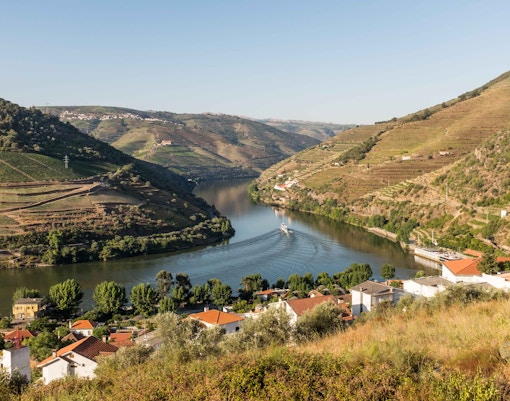
If Peso da Régua is the opening act, Pinhão is where the valley drops the mic. At this village located right on the riverbank, take that walk along the train tracks, duck down any lane that catches your fancy, and prepare to have your camera actually get dizzy trying to capture it all.
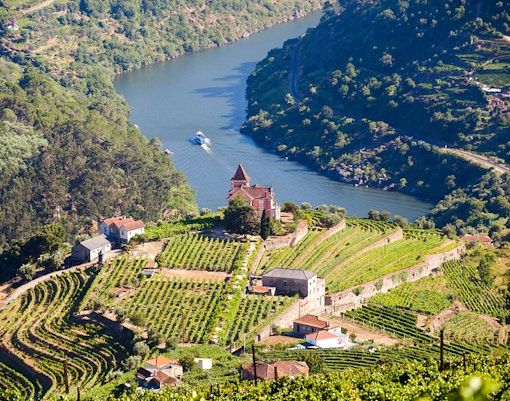
Cima Corgo
This is the central subregion valley's "hold my glass and watch this" moment. Characterized by dramatic vineyards clinging to steep hillsides, it’s dotted with historic quintas and cliffside viewpoints. Trails and narrow roads here are perfect for immersive walks, cycling, and discovering hidden corners of the valley.
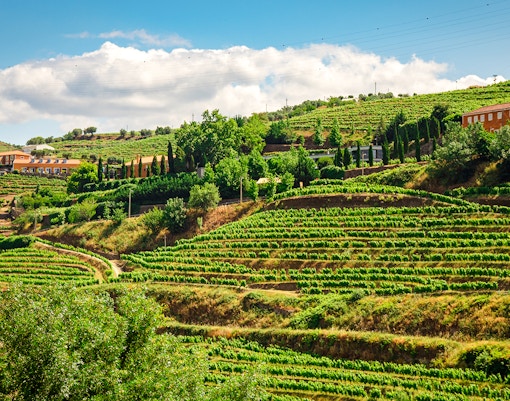
Baixo Corgo
Don't be fooled by the gentler slopes and sleepier lanes of this western subregion of the valley, as this is where the valley keeps its most intriguing secrets. It is full of hidden chapels that pop up when you least expect them, terraces that time forgot, and paths that wind through stories you won't find in any guidebook.
What to see in the Douro Valley

Douro Museum
Explore exhibits on the valley’s terraces, river history, and agriculture. Don’t miss the rooftop view of the Douro winding through terraced hills.
Tips for visiting Douro Valley
- Plan your visit around light, sunrise, and sunset to make terraces glow; mid-morning is best for quiet hikes.
- Stick to trails and village paths, as the terraces are fragile; stepping off paths can damage centuries-old stonework.
- Respect private estates. Many quintas are working farms; ask before entering or photographing. | More about Douro Valley vineyards
- Use local transport or riverboats, which reduces traffic on narrow Douro Valley Portugal roads and gives unique river views.
- Visit small villages to support local shops and cafés for authentic experiences.
- Dress for uneven terrain, as sturdy shoes are essential for terraces and hiking trails.
- Leave early or off-peak, since popular viewpoints like São Leonardo de Galafura can get crowded quickly.
Frequently asked questions about the Douro Valley
The village of Provesende offers quiet cobbled streets, tiny chapels, and hillside terraces without the crowds, making it perfect for photographers and travelers seeking solitude.
Yes! Sunrise lights up the river and terraces softly, while sunset casts golden hues over São Leonardo de Galafura and Pinhão, ideal for photos and peaceful strolls.
Yes, legends abound of terrace workers’ devotion and ancient river spirits. Locals in villages like Pinhão and Provesende often share tales during guided tours.
Sturdy shoes, sun protection, water, snacks, and a camera. Trails are uneven and slopes can be steep, especially around quintas and panoramic viewpoints.
Yes, but roads can be narrow and remote areas less frequented in winter. Daylight hours are shorter, so plan hikes and visits accordingly.
Visit villages like Provesende or São Leonardo de Galafura early, explore midweek, or take lesser-known hiking trails. River cruises are quieter in off-peak seasons.
Comfortable walking shoes, layered clothing, water bottle, sun hat, camera, and a small daypack for hikes and village explorations.
Some village streets and viewpoints are cobbled or steep; major viewpoints and museums like the Douro Museum are partially accessible, but most trails are challenging.
Riverside walks in Pinhão, small vineyard tours in family-run quintas, and tasting local olive oils or artisanal products for a true cultural immersion.